What Is Jersey Fabric Made Of?
Jersey fabric is made of either natural fibers like cotton and wool or synthetic fibers such as polyester, rayon, and spandex. It is a knitted fabric, meaning the fibers are looped together to create a soft, stretchy, and flexible material. The specific fiber content of jersey fabric affects its feel, durability, moisture control, and how much it stretches. As a textile engineer, I can confirm that knowing what is jersey fabric made of helps in choosing the right type for clothing, sportswear, or home textiles.
Jersey Fabric Composition by Fiber Type
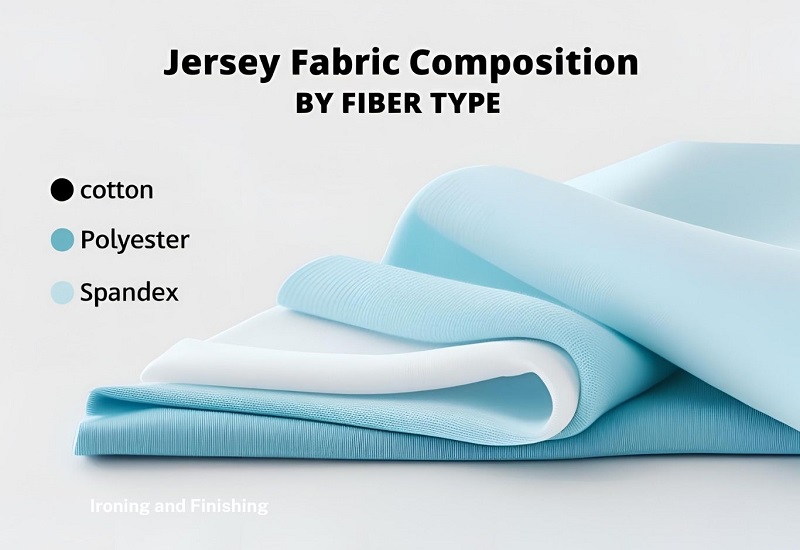
The fiber content of jersey fabric varies by use. Some are made entirely from one fiber, while others are blends for better performance.
Common Fibers Used in Jersey Fabric
- Cotton Jersey: Made from 100% cotton, this version is breathable, soft, and ideal for t-shirts and baby clothes.
- Wool Jersey: Warm and elastic, this is used in winter wear and dress fabrics.
- Polyester Jersey: Known for durability and wrinkle resistance, it’s common in activewear.
- Rayon Jersey: Smooth and soft, this is often used in dresses and drapey tops.
- Spandex Blends: A small percentage of spandex or elastane (5–10%) is added to increase stretch, especially in sportswear and leggings.
Natural vs. Synthetic Materials
Natural materials like cotton and wool offer better breathability and softness. Synthetic fibers like polyester and rayon enhance durability, moisture-wicking, and stretch. Many modern garments combine both for balanced performance.
Why Composition Affects Fabric Behavior
The fiber content determines the fabric’s characteristics:
- Softness: Cotton and rayon are softer than polyester.
- Stretch: Spandex and knit structure provide elasticity.
- Durability: Polyester is more durable than cotton.
- Absorption: Natural fibers absorb moisture; synthetics repel it.
How Jersey Fabric Is Made
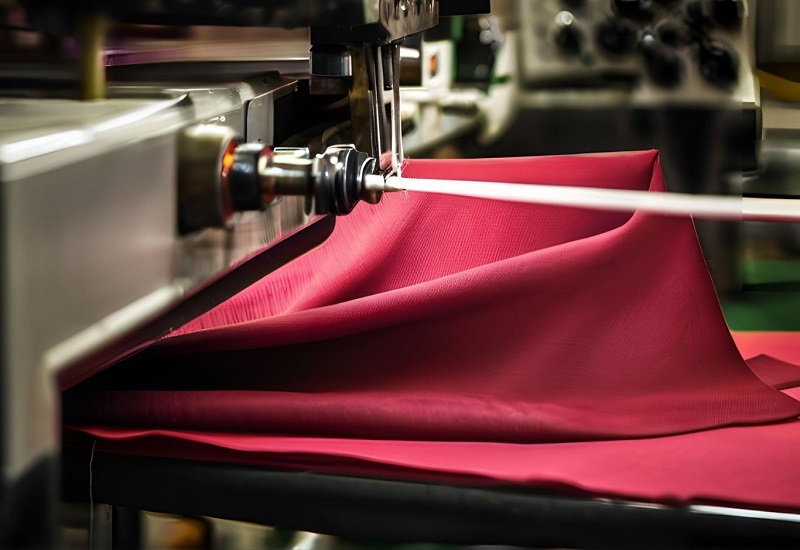
Jersey fabric is a knitted textile, not woven. It uses a series of interlocking loops made by needles to produce its structure.
Knitting Structure of Jersey Fabric
There are two main types:
- Single Knit Jersey: Lightweight and stretchy, with a smooth front and looped back. Used in t-shirts and dresses.
- Double Knit Jersey: Heavier, thicker, and more stable. Used for jackets, structured tops, and trousers.
Fiber Impact on Knitting
Different fibers need specific tension and machine settings. Cotton requires less tension than polyester. Spandex blends need controlled elasticity to prevent overstretching.
Finishing Treatments
After knitting, jersey fabric often undergoes finishing:
- Brushing to soften the surface
- Dyeing for color
- Heat setting for polyester blends to maintain shape
Popular Types of Jersey Fabric by Material
Different uses call for different jersey materials. Each type performs best in specific clothing items.
Cotton and Organic Cotton Jersey
Soft, breathable, and eco-friendly when organic. Used for everyday wear, baby clothing, and underwear.
Rayon and Bamboo Jersey
Smooth and drapey, often used in summer wear. Bamboo jersey is softer and more absorbent than cotton.
Spandex Blends for Sportswear
Used in compression garments and activewear. These blends offer high stretch and recovery, making them perfect for yoga pants, tights, and swimwear.
Recycled Polyester Jersey
Made from recycled PET bottles, this eco-conscious option is durable and quick-drying. Often used in sustainable fashion and gym clothing.
How to Identify Jersey Fabric by Material
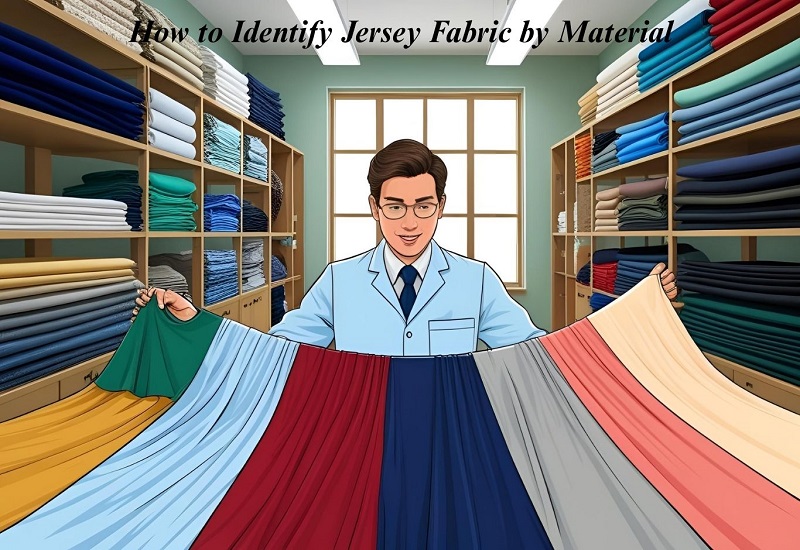
Recognizing what is jersey fabric made of can be done through touch, visual inspection, and label reading.
Touch and Look
- Cotton Jersey: Soft, matte, slightly thick
- Polyester Jersey: Smooth, slightly shiny, cool to touch
- Rayon Jersey: Drapes easily, silky feel
- Wool Jersey: Warm, slightly fuzzy texture
Label Indicators
Product labels often list:
- Fiber content (e.g., 95% cotton, 5% elastane)
- GSM (grams per square meter) – heavier for double knit
- Stretch indicators – often shown as 2-way or 4-way stretch
Final Thoughts: Picking the Right Jersey Fabric
Knowing what is jersey fabric made of is essential when choosing material for clothing. If softness and breathability matter, go for cotton or bamboo. For high-stretch needs, choose a spandex blend. For durability and sustainability, look at recycled polyester options.
Understanding the fiber content helps predict performance, comfort, and use-case. Whether you are sewing, buying ready-made clothes, or sourcing fabric for production, always check the fiber composition and GSM to ensure it fits your purpose.
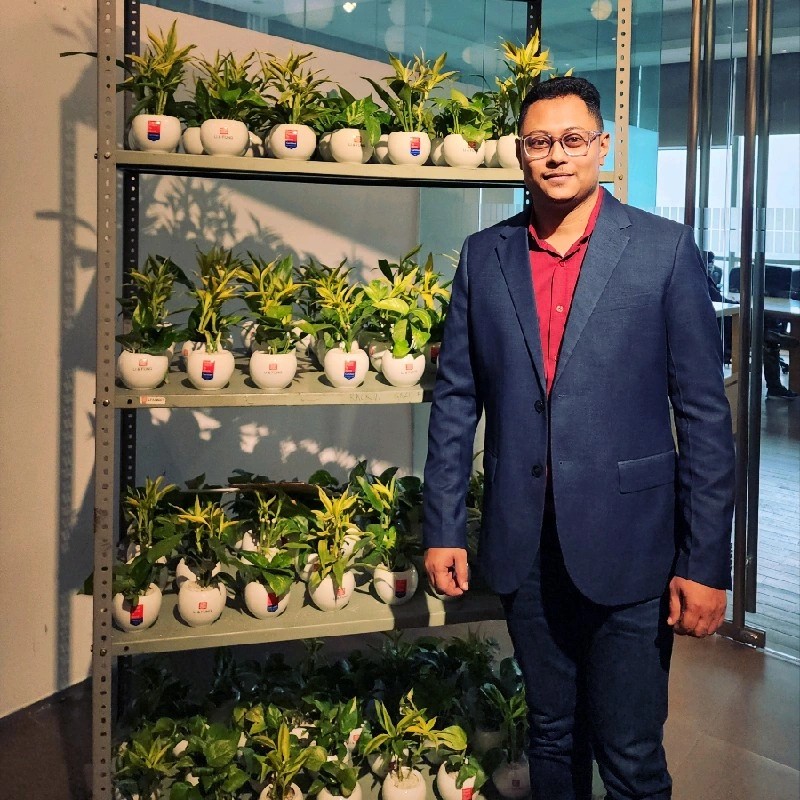
Manager – Fabric Technical and Sourcing/Product Development/ Sustainable Material Management.
I am a B.Sc .-educated Manager of Fabric Sourcing and Technology with extensive experience in the apparel and fashion industry. Passionate about trend analysis, fabric sourcing, and sustainable textile solutions, I thrive in fast-paced environments that demand innovation, adaptability, and leadership.
As a servant leader, I am committed to honesty, transparency, and continuous process improvement. My expertise spans fabric development, product quality management, and supply chain optimization, ensuring exceptional performance across all facets of sourcing and production.
Core Skills & Expertise
✔ Fabric Sourcing & Development – Specialized in regular and sustainable textiles (BCI, Organic, Recycled).✔ Trend Analysis – In-depth understanding of global fashion and fabric trends.✔ Product Development – Expertise in material innovation and process optimization.✔ Quality Management – Strong focus on process control, ensuring high-quality production.✔ Leadership & Problem-Solving – Solution-oriented approach to team management and decision-making.
Technical Proficiency
🖥 Software & Tools:▪ Microsoft Outlook, Excel, Word▪ PLM (Product Lifecycle Management)
🌱 Sustainable & Ethical Practices:▪ Better Cotton Initiative (BCI)▪ Organic & Recycled Fabric Management
Key Strengths
✅ Solution-Focused Leadership – Driving innovation and efficiency in fabric sourcing.✅ Quick Decision-Maker – Adapting to market shifts and production challenges.✅ Team Player with a Positive Attitude – Ensuring collaboration and productivity.✅ Strong Time Management – Meeting deadlines while maintaining quality.
Professional Achievements
🏆 Li & Fung GEM Award – Recognized for fabric sourcing and supply chain management excellence.🏆 Group CEO GEM Award – Honored for outstanding leadership and process innovation.