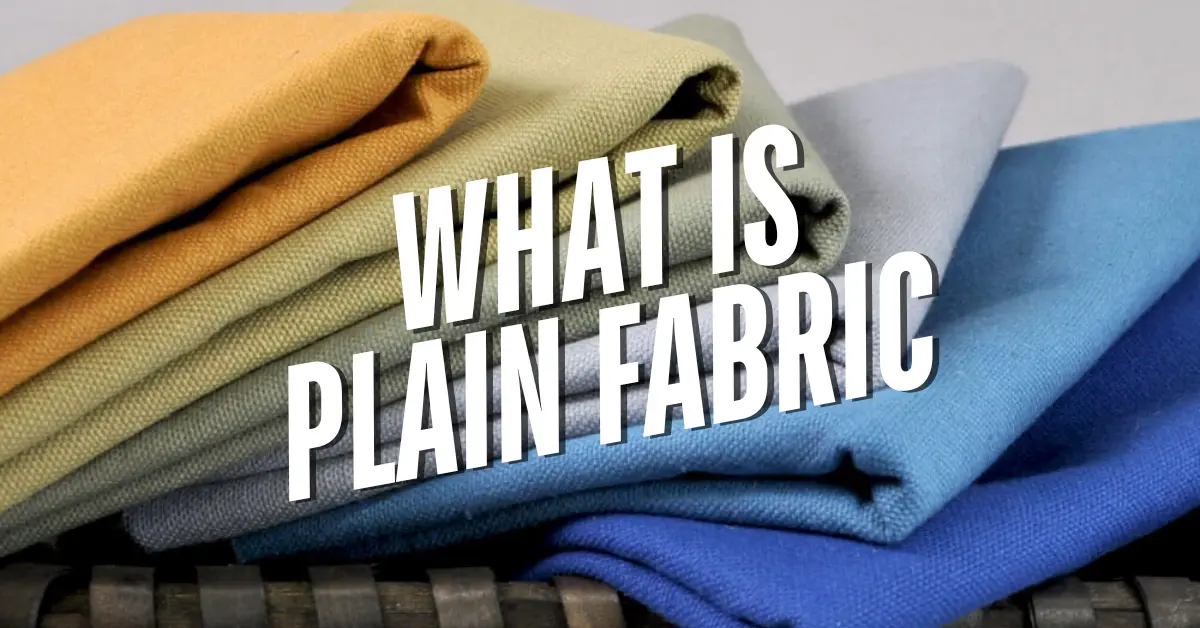
When it comes to fabric, plain weaves are among the most common structures used in textiles. Plain fabrics, defined by their simple weave pattern, are a cornerstone in the textile industry due to their versatility, durability, and broad applications. In this article, we’ll delve into the types of plain fabric, their characteristics, uses, and what makes them stand out in various industries.
What is Plain Fabric?
Plain fabric is the simplest type of fabric weave, where the threads are woven over and under each other in a consistent pattern. This basic structure creates a balanced and durable fabric, often characterized by its smooth surface and reliability. Plain weave fabrics are commonly used for a wide range of applications, including clothing, upholstery, and industrial uses.
The strength and even texture of plain weave fabrics make them ideal for mass production and easy maintenance. Because they can be made from various fibers, including natural and synthetic materials, plain fabrics are extremely versatile, offering different textures, weights, and finishes depending on the fiber and weave.
Different Types of Plain Fabric
Plain fabrics are available in various types, each offering unique characteristics that suit different needs. Below, we explore the most commonly used types of plain fabric:
Cotton Plain Fabric
Characteristics:
Cotton plain fabric is one of the most popular materials in textile manufacturing. Its soft, breathable nature makes it a top choice for everyday wear. Cotton fibers are soft yet strong, giving plain cotton fabric durability and comfort. This fabric type is lightweight and has excellent moisture-wicking properties, making it ideal for clothing worn in warm climates.
Uses:
Cotton plain fabric is used extensively in the production of shirts, dresses, bedsheets, and towels. It is also commonly used for various types of home furnishings like curtains and upholstery.
Pros and Cons:
Pros:
- Highly breathable
- Comfortable to wear
- Easy to dye and print
- Naturally hypoallergenic
Cons: - Can wrinkle easily
- Prone to shrinking if not cared for properly
Linen Plain Fabric
Characteristics:
Linen plain fabric is made from fibers of the flax plant. It is one of the oldest textiles known to humanity. Linen fabric is known for its crisp texture and slightly coarse feel, though it becomes softer with each wash. Unlike cotton, linen has a natural ability to cool the body, making it an excellent fabric choice for hot climates. The fabric also has a distinctive sheen and tends to be more absorbent than cotton.
Uses:
Linen plain fabric is often used for summer garments such as dresses, suits, and shirts, as well as for tablecloths, napkins, and bedding. Its luxurious texture is sought after in high-end fashion.
Pros and Cons:
Pros:
- Extremely breathable
- Naturally anti-bacterial
- Strong and durable
- Ideal for hot and humid weather
Cons: - Wrinkles easily
- Can be stiff when new
- Higher cost compared to cotton
Silk Plain Fabric
Characteristics:
Silk plain fabric is made from the fibers produced by silkworms. Known for its luxurious feel, silk has a smooth, lustrous surface that reflects light beautifully. It is a lightweight and strong fiber, with a natural sheen that sets it apart from other fabrics. The texture of silk plain fabric is soft to the touch, making it highly sought after for high-end fashion and formal occasions.
Uses:
Silk plain fabric is often used in the creation of elegant evening wear, bridal gowns, scarves, and luxury home textiles such as bedding and pillowcases. Its delicate texture makes it a fabric of choice for garments that require a refined and sophisticated look.
Pros and Cons:
Pros:
- Luxurious appearance and feel
- Strong yet lightweight
- Naturally drapes well
- Good temperature regulation (cool in summer, warm in winter)
Cons: - Expensive
- Requires delicate care (dry cleaning, gentle washing)
- Can lose strength when exposed to sunlight
Conclusion
Plain fabrics, from cotton to silk, are essential in both everyday and luxury textile applications. Their simple yet effective weave structure provides durability, versatility, and comfort, making them a go-to choice in the fashion, home decor, and industrial sectors. Understanding the differences between fabric types like cotton, linen, and silk allows textile engineers, manufacturers, and designers to select the most suitable materials for specific purposes. Each type of plain fabric offers unique characteristics and benefits, contributing to the diverse world of textile production.
By exploring the specific uses and qualities of these fabrics, professionals in the textile industry can make informed decisions when designing or manufacturing products, ensuring the best outcomes for both functionality and style.