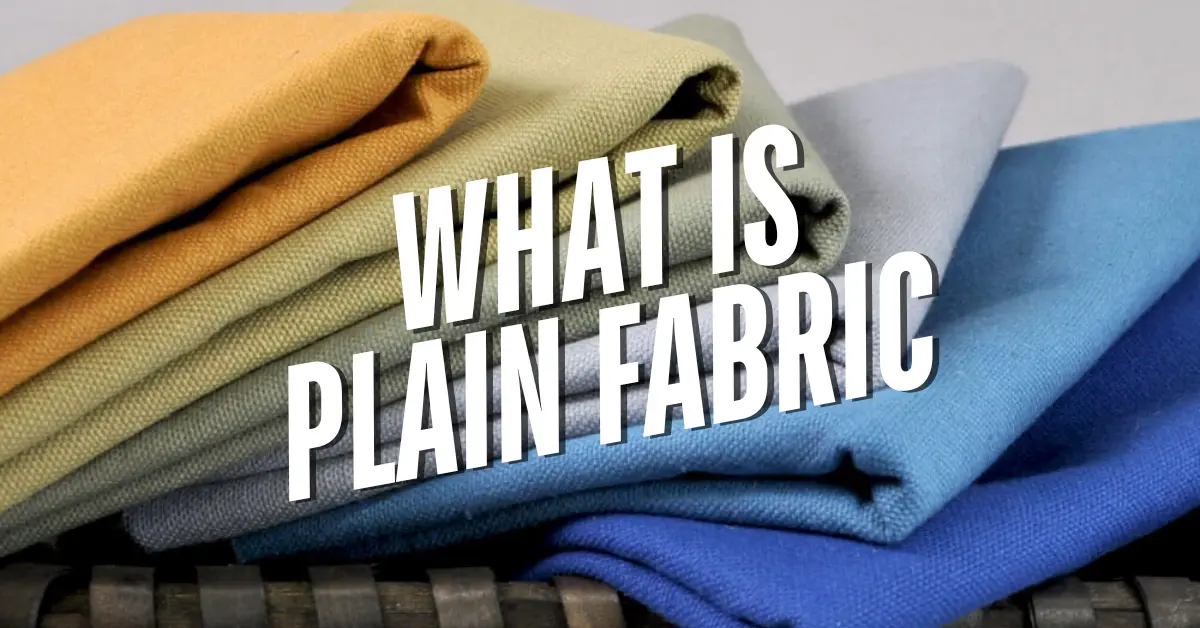
What Is Silk Taffeta Fabric?
Silk taffeta is a crisp, smooth fabric with a slight sheen and structured drape. This luxurious material is used in fashion and interior design.
Silk taffeta is a fabric known for its crisp texture and smooth finish. It is woven from fine silk fibers, giving it a unique shine and stiffness. The fabric has been a popular choice for luxurious garments, especially for formal occasions. With its smooth surface and structured drape, silk taffeta remains a top choice for evening gowns, bridal dresses, and high-end fashion. It is also used in interior design for curtains and upholstery. But What Is Silk Taffeta Fabric? Let’s explore its origins, composition, and how it’s used today.
Historical Background
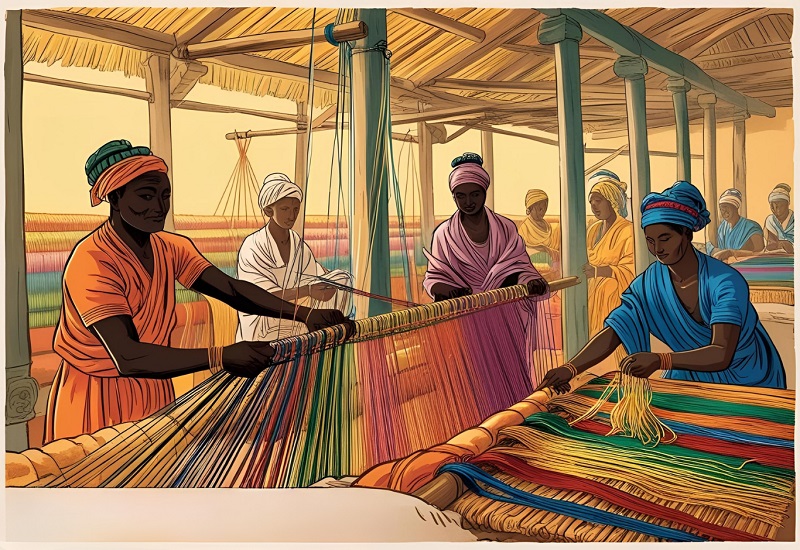
Origins and Evolution
The word “taffeta” comes from the Persian word tāfta, meaning “twisted woven.” This reflects the fabric’s intricate weaving technique. Historically, taffeta was made from silk fibers, but in modern production, it can also be woven with synthetic fibers. Silk taffeta first gained popularity in Europe during the Renaissance and was widely used by royalty for its luxurious appearance and feel. Over time, it became synonymous with opulence, especially for use in formal and ceremonial attire.
Silk Taffeta in Fashion History
Silk taffeta played a key role in fashion history, particularly in the 19th and 20th centuries. During the Victorian era, taffeta was often used for elaborate ball gowns and wedding dresses. Its stiffness allowed designers to create voluminous shapes, which were a symbol of wealth and status. In the mid-20th century, designers like Christian Dior and Coco Chanel used silk taffeta in their couture collections. Today, it is still a popular choice for formal dresses, including bridal gowns, due to its rich texture and elegant appearance.
Characteristics of Silk Taffeta
Texture and Appearance
One of the defining characteristics of silk taffeta is its crisp texture. The fabric has a smooth surface with a slight sheen, which gives it a luxurious look. This sheen is a result of the way the fibers are woven together. Unlike other fabrics, silk taffeta does not drape softly; instead, it holds its shape, making it ideal for structured garments like evening gowns and formal dresses. The fabric’s smooth surface allows it to reflect light, adding to its elegant appearance.
Durability and Maintenance
Despite its delicate appearance, silk taffeta is a durable fabric. It is known for holding its shape well, making it resistant to wrinkles. However, it is important to handle the fabric carefully. Silk taffeta can be damaged by excessive moisture, direct sunlight, or rough handling. To maintain the fabric’s quality, it is recommended to dry clean silk taffeta garments or hand wash them in cold water. Silk taffeta should not be exposed to high heat, as this can cause the fibers to lose their shape and texture.
Types of Silk Taffeta
Yarn-Dyed vs. Piece-Dyed
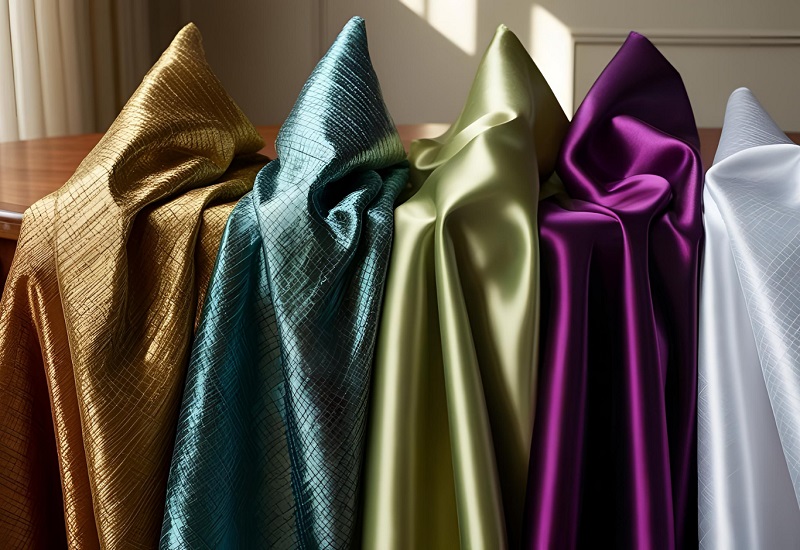
There are two main types of silk taffeta: yarn-dyed and piece-dyed. Each has its own characteristics and uses.
- Yarn-Dyed Taffeta: In this type, the silk fibers are dyed before they are woven into fabric. This results in a more vibrant color and a stiffer texture. Yarn-dyed taffeta is often used in evening dresses and formal wear because it has a luxurious, crisp feel.
- Piece-Dyed Taffeta: In piece-dyed taffeta, the fabric is woven first and then dyed. This process gives the fabric a softer feel and is commonly used for linings and less formal clothing. While it may not have the same structure as yarn-dyed taffeta, it still retains the signature sheen and smoothness of the fabric.
Uses of Silk Taffeta
Fashion Applications
Silk taffeta is most commonly associated with fashion, particularly in the creation of formal wear. Its crisp texture and structured drape make it a perfect choice for dresses that require volume or a stiff silhouette. It is often used in bridal gowns, evening dresses, and cocktail dresses. The fabric’s reflective quality enhances the visual appeal of any garment, making it ideal for occasions where elegance is key. Additionally, taffeta is used for accessories such as scarves and bows, adding a touch of sophistication.
Interior Design
Beyond fashion, silk taffeta has applications in interior design. Its sheen and texture make it an excellent choice for curtains, upholstery, and decorative pillows. Silk taffeta adds an element of luxury to any room, especially when used for drapes or wall coverings. It is often chosen for its ability to catch and reflect light, creating a glamorous effect in interior spaces. However, due to its delicate nature, silk taffeta is typically used in areas with less direct sunlight to preserve its texture and appearance.
Care and Maintenance
Silk taffeta requires careful handling to maintain its beauty and texture. To ensure its longevity, it is best to dry clean silk taffeta garments. If hand washing is necessary, it should be done with cold water and a gentle detergent. Avoid wringing or twisting the fabric, as this can cause it to lose its shape. After washing, silk taffeta should be air-dried in the shade, away from direct sunlight, which can cause fading. Ironing should also be done carefully, using a low heat setting and placing a cloth between the fabric and the iron to prevent damage.
Conclusion
What is silk taffeta fabric? It is a luxurious textile with a rich history and a wide range of applications in both fashion and interior design. Known for its crisp texture, slight sheen, and structured drape, it remains a top choice for formal wear, including bridal gowns and evening dresses. While it requires delicate care, its elegant appearance makes it well worth the effort. Whether used in fashion or home décor, silk taffeta continues to be a symbol of sophistication and style.
When asking what is silk taffeta fabric, it’s important to consider both its visual appeal and functional properties. By exploring the history, types, and uses of this unique material, you can better understand why it holds such a strong place in luxury design. What is silk taffeta fabric if not a timeless blend of beauty, structure, and craftsmanship?
Manager – Fabric Technical and Sourcing/Product Development/ Sustainable Material Management.
I am a B.Sc .-educated Manager of Fabric Sourcing and Technology with extensive experience in the apparel and fashion industry. Passionate about trend analysis, fabric sourcing, and sustainable textile solutions, I thrive in fast-paced environments that demand innovation, adaptability, and leadership.
As a servant leader, I am committed to honesty, transparency, and continuous process improvement. My expertise spans fabric development, product quality management, and supply chain optimization, ensuring exceptional performance across all facets of sourcing and production.
Core Skills & Expertise
✔ Fabric Sourcing & Development – Specialized in regular and sustainable textiles (BCI, Organic, Recycled).✔ Trend Analysis – In-depth understanding of global fashion and fabric trends.✔ Product Development – Expertise in material innovation and process optimization.✔ Quality Management – Strong focus on process control, ensuring high-quality production.✔ Leadership & Problem-Solving – Solution-oriented approach to team management and decision-making.
Technical Proficiency
🖥 Software & Tools:▪ Microsoft Outlook, Excel, Word▪ PLM (Product Lifecycle Management)
🌱 Sustainable & Ethical Practices:▪ Better Cotton Initiative (BCI)▪ Organic & Recycled Fabric Management
Key Strengths
✅ Solution-Focused Leadership – Driving innovation and efficiency in fabric sourcing.✅ Quick Decision-Maker – Adapting to market shifts and production challenges.✅ Team Player with a Positive Attitude – Ensuring collaboration and productivity.✅ Strong Time Management – Meeting deadlines while maintaining quality.
Professional Achievements
🏆 Li & Fung GEM Award – Recognized for fabric sourcing and supply chain management excellence.🏆 Group CEO GEM Award – Honored for outstanding leadership and process innovation.