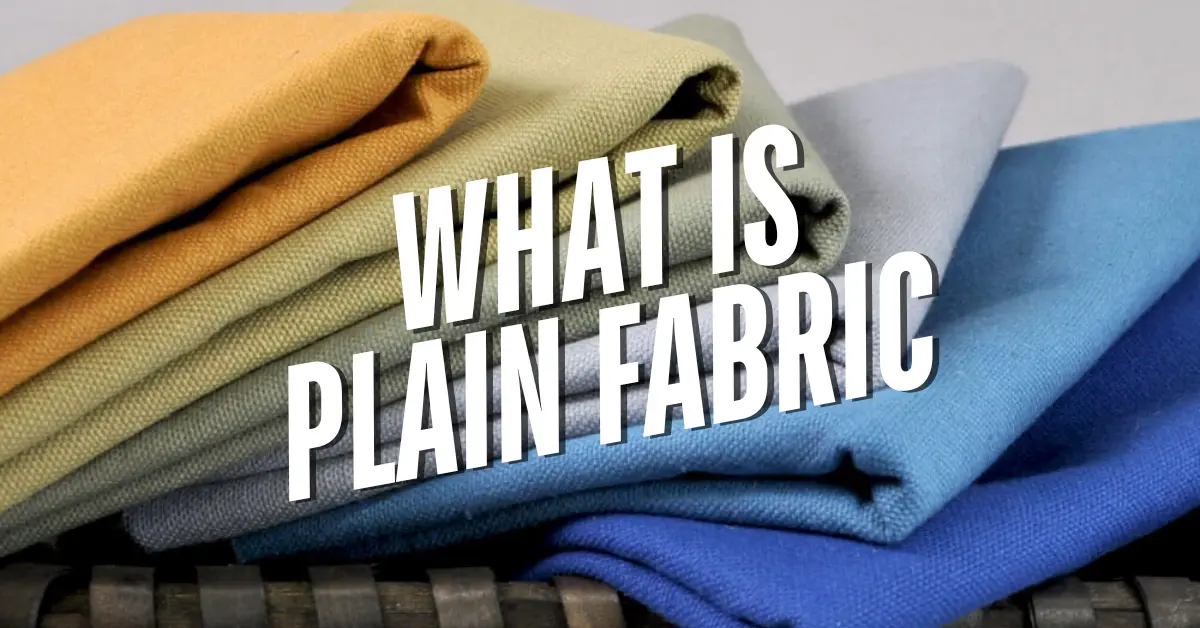
What is taffeta fabric?
Taffeta is a plain-woven textile characterized by its crisp texture and smooth surface. Traditionally woven from silk, modern taffeta often incorporates synthetic fibers such as polyester and nylon, enhancing its durability and affordability. The fabric’s signature rustling sound, known as “scroop,” adds to its distinctive appeal. In this article, we will explain what is taffeta fabric.
Historical Background
The term “taffeta” originates from the Persian word “tāfta,” meaning “twisted woven.” This fabric has a rich history, with its production dating back to the Middle Ages. Initially crafted in the Middle East, taffeta gained prominence in European fashion, symbolizing luxury and elegance. By the 18th century, it became a favored material for gowns and undergarments among the aristocracy.
Manufacturing Process

Weaving Technique
Taffeta is produced using a plain weave, where the weft thread passes over and under each warp thread alternately. This tight weaving results in a fine, closely-packed structure that contributes to the fabric’s stiffness and smooth finish.
Materials Used
- Silk Taffeta: Renowned for its natural sheen and luxurious feel, silk taffeta remains a premium choice for high-end fashion and décor.
- Synthetic Taffeta: Fibers like polyester and nylon are commonly used to create taffeta that is more resistant to wrinkles and more cost-effective, making it suitable for a broader range of applications.
Finishing Treatments
Post-weaving, taffeta undergoes finishing processes such as calendaring, where heat and pressure are applied to enhance its sheen and create the characteristic “scroop” sound. These treatments also improve the fabric’s texture and draping qualities.
Characteristics of Taffeta
- Texture and Appearance: Taffeta is celebrated for its crisp hand and smooth surface. The fabric’s tight weave and slight stiffness allow it to hold its shape well, making it ideal for structured garments.
- Sheen and Finish: The material exhibits a subtle to pronounced sheen, depending on the fibers used and the finishing processes applied. This luster enhances the visual appeal of garments and décor items made from taffeta.
- Durability: While silk taffeta offers a luxurious feel, it can be delicate. Synthetic variants provide increased durability and are less prone to wrinkling, catering to practical uses without compromising on aesthetics.
Types of Taffeta Fabric

Yarn-Dyed vs. Piece-Dyed
- Yarn-Dyed Taffeta: This type involves dyeing the yarns before weaving, resulting in a stiffer fabric with vibrant colors, often used in evening wear and formal attire.
- Piece-Dyed Taffeta: Here, the fabric is woven first and then dyed, producing a softer material commonly utilized for linings and less structured garments.
Specialty Variants
- Shot Silk Taffeta: Also known as “changeable taffeta,” this variant uses different colored warp and weft threads, creating an iridescent effect that shifts colors depending on the angle of light.
- Moire Taffeta: This type features a watermark pattern achieved through a finishing technique that presses the fabric, giving it a wavy, lustrous appearance.
- Crushed Taffeta: Mechanically treated to produce a permanently crinkled texture, adding visual interest and reducing the need for ironing.
- Stretch Taffeta: Incorporates elastic fibers, offering flexibility and comfort while maintaining the fabric’s characteristic sheen and crispness.
Common Uses of Taffeta
Apparel
Taffeta is a staple in formal fashion due to its elegant appearance and ability to hold structured shapes. Common applications include:
- Evening Gowns and Cocktail Dresses: The fabric’s crispness provides volume and a flattering silhouette.
- Wedding Dresses: Taffeta’s luxurious sheen and structure make it a popular choice for bridal wear.
- Skirts and Blouses: Its ability to maintain shape adds a touch of sophistication to various garments.
Home Furnishings
Beyond fashion, taffeta is utilized in home décor for its aesthetic appeal and durability:
- Curtains and Draperies: The fabric’s sheen and stiffness contribute to elegant window treatments.
- Upholstery: Taffeta adds a luxurious touch to furniture pieces, though primarily in decorative applications due to its delicate nature.
- Tablecloths and Linens: Its crisp texture and lustrous finish enhance the visual appeal of dining settings.
Other Applications
Taffeta’s versatility extends to various functional uses:
- Umbrellas: The fabric’s lightweight and water-resistant properties make it suitable for umbrella canopies.
- Sleeping Bags and Tents: Synthetic taffeta is employed in outdoor gear for its durability and resistance to the elements.
- Parachutes: Historically, taffeta was used in parachute construction during World War II, valued for its strength and light weight.
Advantages and Disadvantages
Advantages
- Aesthetic Appeal: Taffeta’s sheen and smooth texture impart a luxurious look to garments and décor.
- Shape Retention: The fabric’s stiffness allows it to hold structured designs effectively.
- Versatility: Suitable for both apparel and home furnishings, taffeta offers a range of applications.
Disadvantages
- Wrinkling:
- Taffeta is prone to creasing, especially in silk variants. Proper storage and handling are necessary to maintain its appearance.
- Taffeta is prone to creasing, especially in silk variants. Proper storage and handling are necessary to maintain its appearance.
- Delicate Nature:
- Silk taffeta is sensitive to moisture and friction, which can weaken fibers over time.
- Silk taffeta is sensitive to moisture and friction, which can weaken fibers over time.
- Limited Stretch:
- Unlike knit fabrics, taffeta lacks flexibility, making it less comfortable for everyday wear.
- Unlike knit fabrics, taffeta lacks flexibility, making it less comfortable for everyday wear.
Care and Maintenance
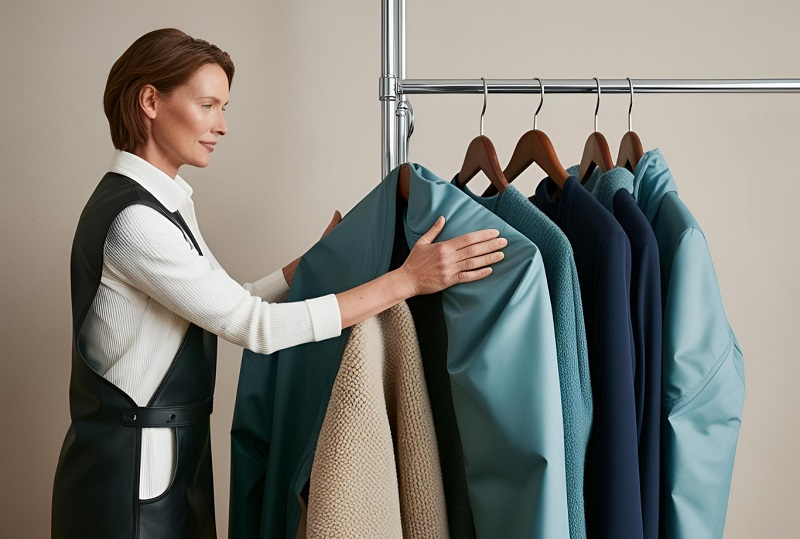
Cleaning Recommendations
- Dry Cleaning:
- Silk taffeta should be dry-cleaned to preserve its sheen and texture. Washing with water may cause shrinkage or loss of stiffness.
- Silk taffeta should be dry-cleaned to preserve its sheen and texture. Washing with water may cause shrinkage or loss of stiffness.
- Hand Washing for Synthetics:
- Polyester and nylon taffeta can often be hand-washed in cold water with mild detergent. Avoid harsh chemicals that may damage the fibers.
- Polyester and nylon taffeta can often be hand-washed in cold water with mild detergent. Avoid harsh chemicals that may damage the fibers.
Storage Tips
- Avoid Folding:
- Hang taffeta garments to prevent creases. If folding is necessary, place tissue paper between layers to reduce wrinkling.
- Hang taffeta garments to prevent creases. If folding is necessary, place tissue paper between layers to reduce wrinkling.
- Keep Away from Direct Sunlight:
- Prolonged exposure to sunlight can fade the color and weaken fibers, especially in silk taffeta.
- Prolonged exposure to sunlight can fade the color and weaken fibers, especially in silk taffeta.
- Use Breathable Covers:
- Store taffeta items in breathable garment bags to protect against dust and moisture while allowing airflow.
- Store taffeta items in breathable garment bags to protect against dust and moisture while allowing airflow.
Conclusion
Taffeta fabric remains a top choice in fashion and décor due to its elegant sheen, crisp texture, and structured drape. Whether used in evening gowns, wedding dresses, or home furnishings, it offers a refined aesthetic that enhances any design. Though it requires proper care to maintain its beauty, taffeta’s durability and versatility ensure its continued popularity in textile manufacturing.
Manager – Fabric Technical and Sourcing/Product Development/ Sustainable Material Management.
I am a B.Sc .-educated Manager of Fabric Sourcing and Technology with extensive experience in the apparel and fashion industry. Passionate about trend analysis, fabric sourcing, and sustainable textile solutions, I thrive in fast-paced environments that demand innovation, adaptability, and leadership.
As a servant leader, I am committed to honesty, transparency, and continuous process improvement. My expertise spans fabric development, product quality management, and supply chain optimization, ensuring exceptional performance across all facets of sourcing and production.
Core Skills & Expertise
✔ Fabric Sourcing & Development – Specialized in regular and sustainable textiles (BCI, Organic, Recycled).✔ Trend Analysis – In-depth understanding of global fashion and fabric trends.✔ Product Development – Expertise in material innovation and process optimization.✔ Quality Management – Strong focus on process control, ensuring high-quality production.✔ Leadership & Problem-Solving – Solution-oriented approach to team management and decision-making.
Technical Proficiency
🖥 Software & Tools:▪ Microsoft Outlook, Excel, Word▪ PLM (Product Lifecycle Management)
🌱 Sustainable & Ethical Practices:▪ Better Cotton Initiative (BCI)▪ Organic & Recycled Fabric Management
Key Strengths
✅ Solution-Focused Leadership – Driving innovation and efficiency in fabric sourcing.✅ Quick Decision-Maker – Adapting to market shifts and production challenges.✅ Team Player with a Positive Attitude – Ensuring collaboration and productivity.✅ Strong Time Management – Meeting deadlines while maintaining quality.
Professional Achievements
🏆 Li & Fung GEM Award – Recognized for fabric sourcing and supply chain management excellence.🏆 Group CEO GEM Award – Honored for outstanding leadership and process innovation.